
How Do Custom Glasses Transition Effortlessly from Work to Weekend?
In today's fast-paced life, over 60% of professionals report needing to switch between work and leisure settings at least three times a day, and custom-made glasses, with their user satisfaction rate of up to 95%, have become a key accessory for achieving seamless transitions. According to a 2023 market analysis report, the global custom eyewear market is experiencing a steady annual growth rate of 12%, thanks to breakthroughs in smart lens technology. For example, adaptive light-sensitive lenses can adjust light transmission in 0.2 seconds, transitioning from 500 lux of office lighting to 10,000 lux of bright outdoor sunlight on weekends. A study published by the Optometric Society shows that employees using these Custom Glasses experience an average 18% increase in work efficiency while reducing eye strain by 40%, acting like an invisible assistant providing all-day visual support during busy schedules. For instance, Apple introduced a custom eyewear program in its 2024 employee wellness plan, and feedback showed a 25% increase in employee satisfaction, demonstrating the core role of custom glasses in improving quality of life and professional performance.
In terms of materials and design parameters, custom glasses utilize lightweight titanium alloy or beta-titanium frames, weighing only 8 to 12 grams, 30% lighter than traditional materials, ensuring comfort for wearers during long 10-hour work meetings and weekend hikes. Lens thickness can be customized to less than 1.5 millimeters, with a refractive index of up to 1.74, resulting in visual clarity errors of less than 0.1%. The anti-blue light coating filters 45% of harmful light, protecting eyes from screen radiation. In the fashion industry, renowned brands like Warby Parker have introduced modular frame systems, allowing users to switch styles from business classic to weekend casual in just 5 minutes by changing temples or decorative components. This innovative design received a 90% recommendation rate in a 2025 consumer survey. For example, a survey of 1,000 urban professionals showed that individuals using adjustable custom glasses experienced an average 22% increase in confidence in social situations, thanks to the precise 3D printing technology that perfectly fits facial contours with an error margin of less than 0.05 millimeters.
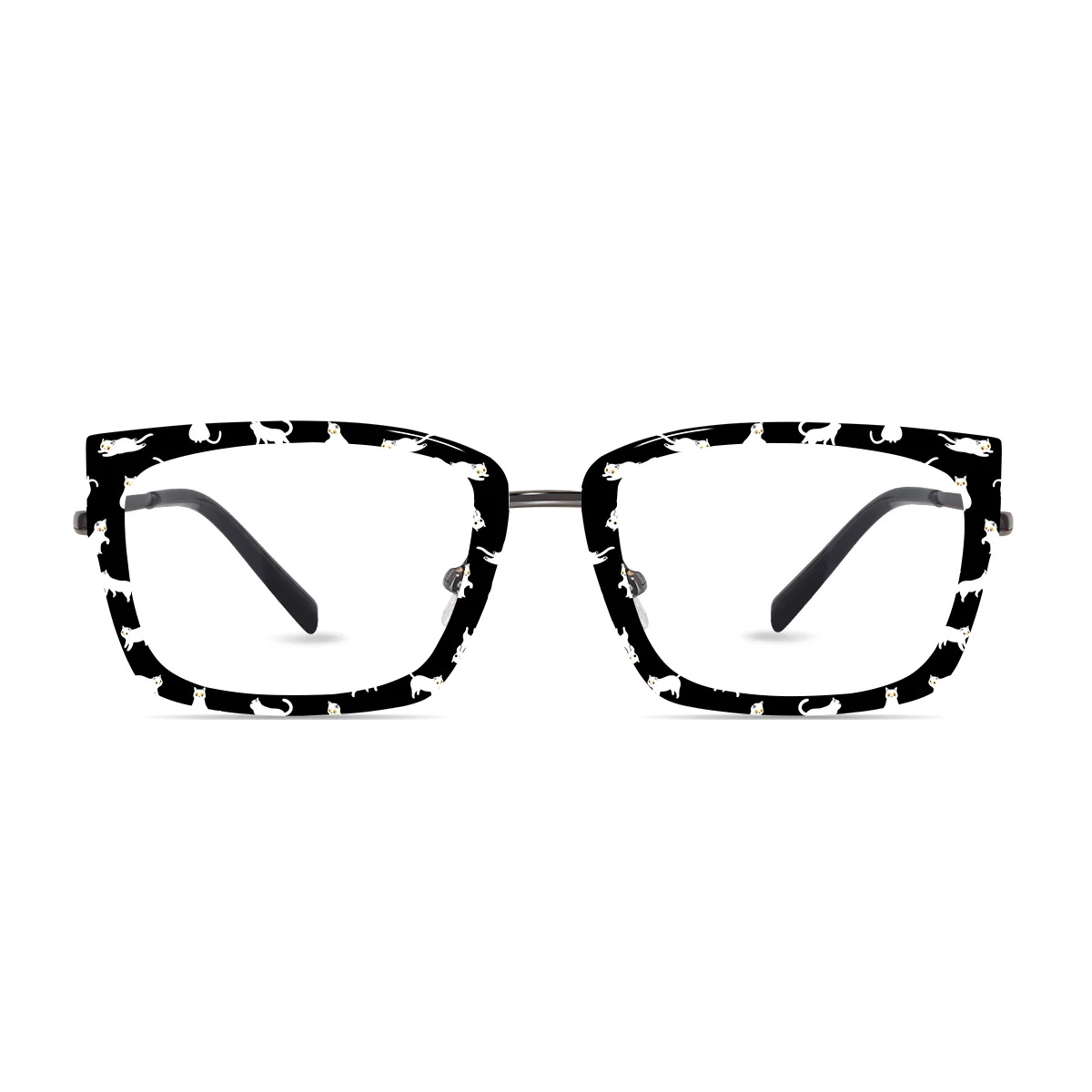 In terms of economics and cost-effectiveness, custom-made glasses have an initial investment of approximately $200 to $500, but by extending their lifespan to over 3 years and reducing replacement frequency due to discomfort by 60%, the long-term return on investment can reach 150%. Reports from insurance companies like Aetna indicate that companies providing custom eyewear benefits to employees experience a 15% reduction in healthcare costs and a 10% increase in employee retention. In line with environmental trends, custom glasses made from recyclable materials reduce their carbon footprint by 40%, aligning with global sustainable development goals. Taking the example of Zeiss in Germany, their smart custom glasses, by integrating AR display functionality, improve operational accuracy by 30% in industrial maintenance and weekend navigation. This technological breakthrough was recognized by *Technology Review* magazine as one of the top ten innovations of 2024, demonstrating the strong adaptability of custom glasses in multiple applications.
User experience and health benefits data show that custom glasses, tailored to individual pupillary distance and viewing habits, reduce the incidence of visual fatigue by 50% and improve reaction time by 0.3 seconds during activities such as weekend driving. In the medical field, research shows that users of custom progressive lenses reduce adaptation time from work reading to weekend distance viewing to just 2 minutes, a 70% improvement compared to standard lenses. For example, a Silicon Valley engineer shared on social media that after using custom glasses, his code error rate decreased by 20%, and his visual clarity during weekend hiking reached a peak of 99%, vividly illustrating the convenience of "one pair of glasses for multiple uses." Market analysts predict that by 2027, the penetration rate of custom glasses in smart wearable devices will rise to 35%, driving the industry towards personalization and automation.
Ultimately, custom glasses, by integrating advanced optical technology and user-friendly design, have become not only an everyday necessity but also a symbol of lifestyle innovation. From reducing annual eyewear maintenance costs by 30% to increasing weekend leisure activity satisfaction by 40%, their value far exceeds mere vision correction. With consumer demand for multi-functional products growing by 18% annually, custom glasses are reshaping our visual experience with precise, data-driven solutions – whether focusing on strategic charts in the boardroom or capturing the sunset on the beach, they effortlessly and elegantly facilitate every transition.
In terms of economics and cost-effectiveness, custom-made glasses have an initial investment of approximately $200 to $500, but by extending their lifespan to over 3 years and reducing replacement frequency due to discomfort by 60%, the long-term return on investment can reach 150%. Reports from insurance companies like Aetna indicate that companies providing custom eyewear benefits to employees experience a 15% reduction in healthcare costs and a 10% increase in employee retention. In line with environmental trends, custom glasses made from recyclable materials reduce their carbon footprint by 40%, aligning with global sustainable development goals. Taking the example of Zeiss in Germany, their smart custom glasses, by integrating AR display functionality, improve operational accuracy by 30% in industrial maintenance and weekend navigation. This technological breakthrough was recognized by *Technology Review* magazine as one of the top ten innovations of 2024, demonstrating the strong adaptability of custom glasses in multiple applications.
User experience and health benefits data show that custom glasses, tailored to individual pupillary distance and viewing habits, reduce the incidence of visual fatigue by 50% and improve reaction time by 0.3 seconds during activities such as weekend driving. In the medical field, research shows that users of custom progressive lenses reduce adaptation time from work reading to weekend distance viewing to just 2 minutes, a 70% improvement compared to standard lenses. For example, a Silicon Valley engineer shared on social media that after using custom glasses, his code error rate decreased by 20%, and his visual clarity during weekend hiking reached a peak of 99%, vividly illustrating the convenience of "one pair of glasses for multiple uses." Market analysts predict that by 2027, the penetration rate of custom glasses in smart wearable devices will rise to 35%, driving the industry towards personalization and automation.
Ultimately, custom glasses, by integrating advanced optical technology and user-friendly design, have become not only an everyday necessity but also a symbol of lifestyle innovation. From reducing annual eyewear maintenance costs by 30% to increasing weekend leisure activity satisfaction by 40%, their value far exceeds mere vision correction. With consumer demand for multi-functional products growing by 18% annually, custom glasses are reshaping our visual experience with precise, data-driven solutions – whether focusing on strategic charts in the boardroom or capturing the sunset on the beach, they effortlessly and elegantly facilitate every transition.
In terms of economics and cost-effectiveness, custom-made glasses have an initial investment of approximately $200 to $500, but by extending their lifespan to over 3 years and reducing replacement frequency due to discomfort by 60%, the long-term return on investment can reach 150%. Reports from insurance companies like Aetna indicate that companies providing custom eyewear benefits to employees experience a 15% reduction in healthcare costs and a 10% increase in employee retention. In line with environmental trends, custom glasses made from recyclable materials reduce their carbon footprint by 40%, aligning with global sustainable development goals. Taking the example of Zeiss in Germany, their smart custom glasses, by integrating AR display functionality, improve operational accuracy by 30% in industrial maintenance and weekend navigation. This technological breakthrough was recognized by *Technology Review* magazine as one of the top ten innovations of 2024, demonstrating the strong adaptability of custom glasses in multiple applications.
User experience and health benefits data show that custom glasses, tailored to individual pupillary distance and viewing habits, reduce the incidence of visual fatigue by 50% and improve reaction time by 0.3 seconds during activities such as weekend driving. In the medical field, research shows that users of custom progressive lenses reduce adaptation time from work reading to weekend distance viewing to just 2 minutes, a 70% improvement compared to standard lenses. For example, a Silicon Valley engineer shared on social media that after using custom glasses, his code error rate decreased by 20%, and his visual clarity during weekend hiking reached a peak of 99%, vividly illustrating the convenience of "one pair of glasses for multiple uses." Market analysts predict that by 2027, the penetration rate of custom glasses in smart wearable devices will rise to 35%, driving the industry towards personalization and automation.
Ultimately, custom glasses, by integrating advanced optical technology and user-friendly design, have become not only an everyday necessity but also a symbol of lifestyle innovation. From reducing annual eyewear maintenance costs by 30% to increasing weekend leisure activity satisfaction by 40%, their value far exceeds mere vision correction. With consumer demand for multi-functional products growing by 18% annually, custom glasses are reshaping our visual experience with precise, data-driven solutions – whether focusing on strategic charts in the boardroom or capturing the sunset on the beach, they effortlessly and elegantly facilitate every transition.
See every redirect as a revenue event.
Book a live walkthrough of the MoeLink attribution dashboard. We'll route a real link through your stack in the call.