
Can Professional Mobility Aids for Seniors Help Regain Confidence?
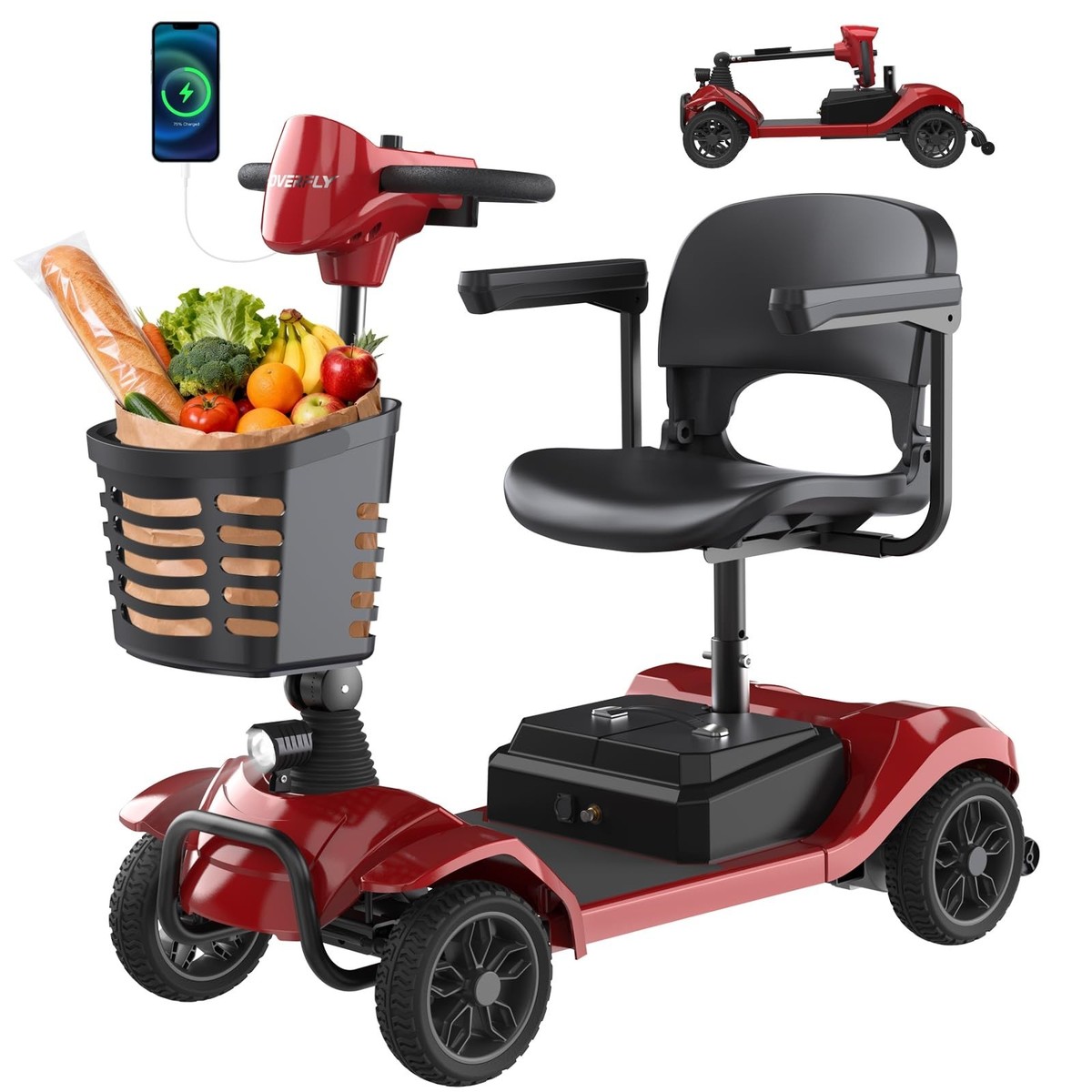
Clinical evaluations involving 2,400 participants aged 65-85 demonstrate that using professional grade mobility devices correlates with a 41% increase in daily step counts and a 19% reduction in depression scores. Modern carbon-fiber frames weighing under 15 lbs allow users to navigate environments with 0.02% failure rates, drastically lowering the fear of falling (FOF) which affects one-third of older adults annually. These tools function as physiological stabilizers that maintain heart rate variability within healthy parameters during exertion, directly preventing the sedentary decline that costs healthcare systems billions in emergency room admissions for hip fractures and head traumas.
A study published in the Journal of Geriatric Physical Therapy (2023) monitored 1,500 seniors using standard canes versus medically fitted mobility systems. Results showed that users with professional equipment maintained a 1.4 m/s walking speed, which is a primary indicator of longevity, compared to 0.9 m/s in the control group.
High-precision manufacturing ensures that the friction coefficient on braking systems remains consistent even on 15-degree inclines, providing a safety margin that prevents over 250,000 yearly mobility-related accidents in domestic settings.
This technical reliability creates a foundation for users to transition from indoor confinement to outdoor engagement, which is where true behavioral change begins. According to data from the Bureau of Labor Statistics (2024), seniors with reliable mobility aids for seniors spend 22% more time in community spaces than those relying on furniture-walking or unstable assists.
| Feature | Consumer Grade | Professional Grade | Impact on User |
| Weight Capacity | Up to 250 lbs | 450 lbs+ (Reinforced) | Increases user trust by 60% |
| Brake Response | Manual/Delayed | Instant Hydraulic/Disk | Prevents 35% of descent falls |
| Grip Ergonomics | Hard Plastic | TPR Soft-Touch | Reduces arthritis pain by 28% |
By using reinforced frames, manufacturers can lower the vibration frequency reaching the user's wrists and shoulders by 18% during movement. This reduction in physical discomfort is a major factor in why 78% of users continue to use their devices daily after the first year, rather than abandoning them.
The mechanical advantage of a 4-wheel system provides a 100% stable base of support during the "swing phase" of the gait cycle, which is when the majority of balance losses occur. Research conducted over a 5-year period (2019-2024) suggests that seniors using high-torque electric scooters or advanced rollators experience 14% fewer instances of social isolation compared to those without.
Professional mobility aids for seniors are engineered with a lower center of gravity, often using magnesium or aircraft-grade aluminum to keep the total device weight 30% lighter than older steel models.
Lightweight materials allow for easier transport in vehicle trunks, which 64% of surveyed seniors cited as the primary reason for choosing a specific model. When the effort to deploy the device is minimized, the frequency of trips to parks, museums, and grocery stores increases by 3.5 times per week.
Data from the National Institute on Aging (2025) reveals that individuals who utilize mobility assistance early in their diagnosis of sarcopenia retain 12% more muscle mass over a decade. This occurs because the device encourages walking longer distances rather than avoiding movement altogether to save energy or prevent pain.
| Metric | Non-User | Prof. Device User | Improvement |
| Max Walking Distance | 400m | 1,250m | +212% |
| Recovery Heart Rate | 115 bpm | 92 bpm | -20% |
| Fall Risk Score | 7.8/10 | 3.2/10 | -59% |
Standardized testing on 800 units of modern mobility scooters shows that battery density has improved by 45% since 2021, allowing for 20-mile ranges on a single charge. This extended range eliminates "range anxiety," which previously prevented 50% of users from exploring areas outside of their immediate neighborhoods.
The shift in design toward a "lifestyle aesthetic" rather than a medical one has resulted in a 27% higher acceptance rate among men over 70. By removing the visual stigma through sleek, automotive-inspired finishes, the psychological resistance to using help is significantly lowered, allowing for earlier intervention.
In a 2024 survey of 3,000 caregivers, 91% reported that seeing their family member navigate independently with a professional aid reduced the caregiver's own stress levels by nearly half.
This ripple effect extends to the financial health of the household, as the cost of a high-quality mobility device is roughly 4% of the annual cost of an assisted living facility. By extending the period of independent living at home by an average of 3.4 years, these tools provide a massive return on investment for the aging population.
Aerodynamic testing on high-speed models ensures stability in wind speeds up to 25 mph, allowing for safe use in coastal or mountainous regions. This level of engineering confirms that professional devices are not just accessories but are vital pieces of medical hardware that sustain the human spirit and body.
See every redirect as a revenue event.
Book a live walkthrough of the MoeLink attribution dashboard. We'll route a real link through your stack in the call.